

As I come to the final post in this series, I want to talk about legacy.
Not the kind of legacy measured in things or possessions, but the legacy that lives on in the hearts of others through your stories, the glimpses into who you were, your values, the moments that shaped you, the ways you loved, the ways you learned, and the way you carried on, even when life asked more of you than you had to give.
These are the pieces your loved ones reach for when you’re gone.
And when we take the time to record them, we preserve something more than memory. We preserve meaning. We offer a way for future generations to know us, not just our names, but our lives. We create a bridge between “then” and “now,” between the family we knew and the family we won’t have the chance to know. People we may never meet, but who will still carry our name, our blood, our spirit, and the influence of our lives.
What I Learned From the Mexican Tradition
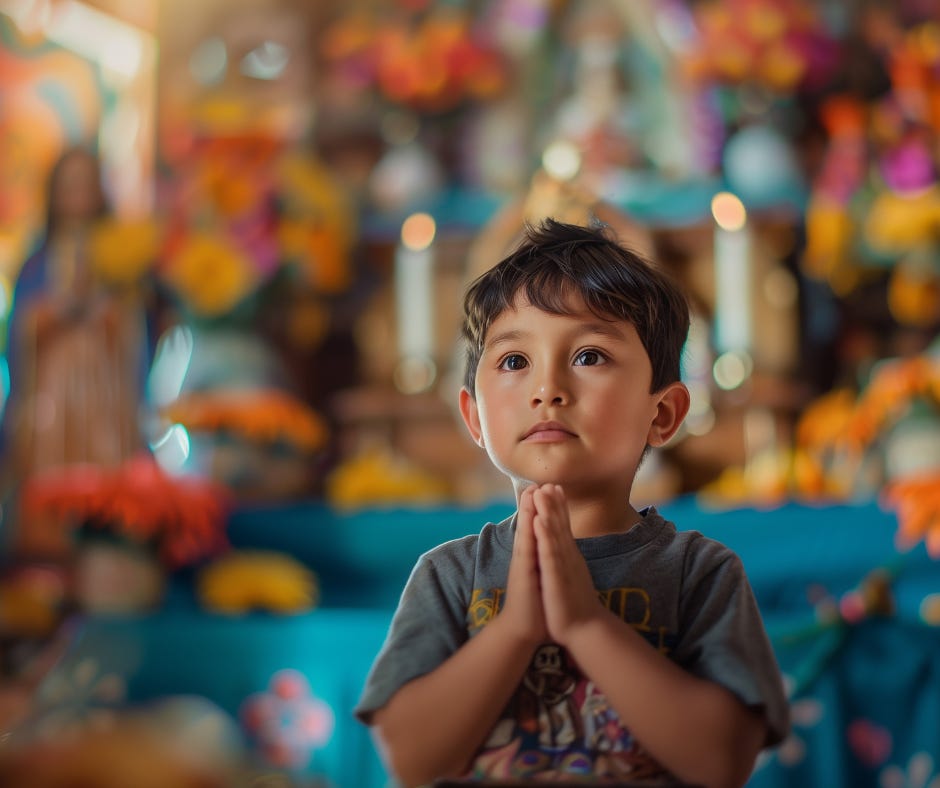
I enjoyed learning about the Mexican tradition of Día de los Muertos, a way of remembering loved ones who have passed that feels alive rather than rooted in loss. What stayed with me wasn’t dates or customs, but the philosophy behind it.
The feeling and comfort of it.
It’s a tradition that honours the idea that those who have died don’t disappear into silence. They remain part of the family story. They are remembered intentionally, thought of, spoken to, included. They are still loved. Still cared for. Still welcomed.
There’s something deeply reassuring in that. Remembrance isn’t accidental, and it isn’t meant to be carried alone. It’s shared. It’s intentional. It’s woven into the way a family continues, generation after generation
Learning about this changed how I think about holding onto the people we’ve lost. It reminded me that grief and love can exist together, and that remembering someone can be an act of care. A way of keeping them close through stories, shared moments, and the simple act of saying their name.
Why This Matters So Much Here
In Western society, we don’t always have traditions like that.
Remembering is often personal. Quiet. Private. Something we do alone in our own minds, in small moments, when something triggers a memory and we suddenly feel the ache of what’s missing.
And that’s exactly why this part of end-of-life planning is so special - and so important.
Because if remembrance is largely personal, then what we write down becomes a gift. A guide. A lantern someone can hold when they’re trying to find you again.
As a Writer, This Is What I Believe
As a writer, I believe our life is not ours alone.
It is meant to be shared with those around us, so we can all learn and grow together.
And I also believe that often the words we share may not land with others until they are ready to hear them. But they always find the right person at the right time.
Someday, someone close to you, or a future generation you will never know, may find comfort in your words.
Comfort in relating to your experience.
Comfort in understanding who you were.
Or maybe, comfort in understanding who they are.
Because when we know where we come from, we feel less alone in where we’re going.
An Invitation, Not an Assignment
I encourage you to take your time with this part of your planning.
Work on it slowly, and only when it feels right.
This piece is not a box to be ticked. It’s an intentional moment in time to connect with loved ones, past, present, and future.
It’s an offering.
A reaching of the hand across time.
It’s in these pages that your true legacy lives.
The one that will forever connect you to this life, this time, this journey.
And in that connection, there is comfort.
The kind that comes from knowing you mattered.
That your life, your words, and your presence continue to live on in the people who remember you.